
Ground floor
The museum entrance, placed in a
trompe l’oeil decorated garden painted
by Luigi Busatti and Francesco Santini, is characterized by a
ground staircase
decorated by Santini himself, with the collaboration of Serafino Barozzi,
dominated by a suggestive lucernaio.
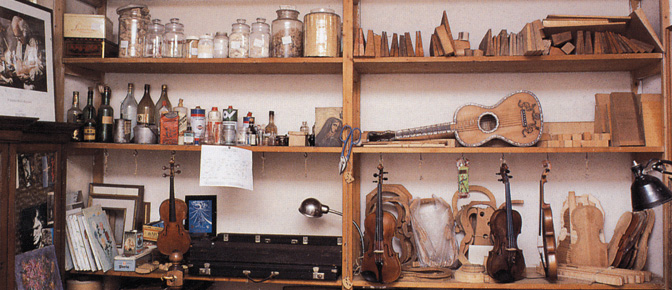
The Liuteria, a reconstruction of the
workshop of Otello Bignami (1914-1989),
a very well-known violinmaker in Bologna, is placed before the garden, with
the frescoes as its background.
On the ground floor in the
Ticket Office/Bookshop English and Italian
audioguides are available, as well as museum guidebooks, musical books and
gadgets inspired by the musical collections.
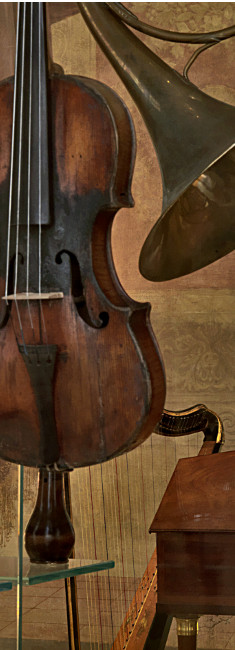
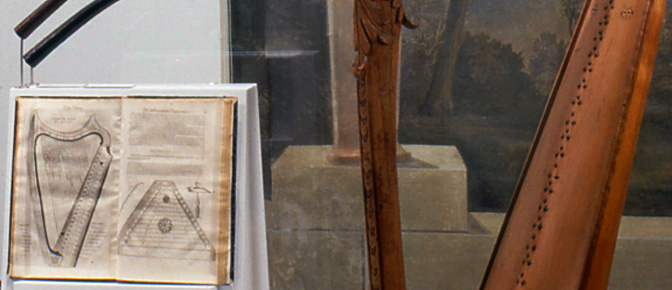
The ground staircase leads to the main floor where the exposition is set: nine rooms with amazing frescoes, which retrace six centuries of European music history with a wide selection of precious historical documents: treaties, letters, scores, musical prints, libretti d’opera, manuscripts etc. that are only a part of the material collected by Father Martini, more than one hundred portraits and eighty ancient musical instruments.
 
First floor - the exibition path
The museum itinerary starts with the lush decorations of the first room, known
as the
Boschereccia (o
Sala del Convito), painted by Vincenzo
Martinelli, with Bacco and Cerere’s statues made by a young Pelagio Palagi;
in the central display window, some symbolic works are placed to introduce
visitors into the music world.
Room 2 (
Sala di Enea, decorated by Pelagio Pelagi and Gaetano
Tambroni) and
Room 3 (
Sala dello Zodiaco, given to Pelagi and
Domenico Corsini) are dedicated to
Father Giovanni Battista Martini
(portrayed by Angelo Crescimbeni), one of the most eminent names of 18th century
Europe, wise and “voracious” collector, theorist and composer.
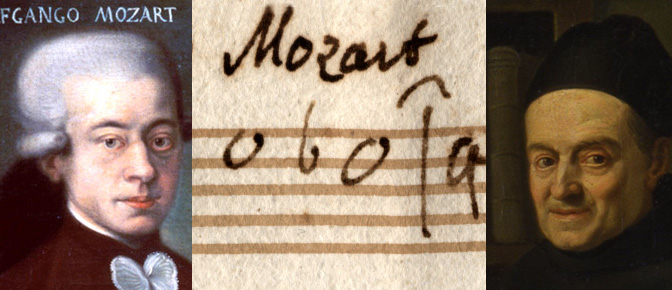
In particular, Room 3 displays the several relationships between Father Martini,
professor of learned counterpoint, and important musical personalities, such
as a young
Mozart and
Johann Christian Bach, portrayed in the
famous painting by Thomas Gainsborough.
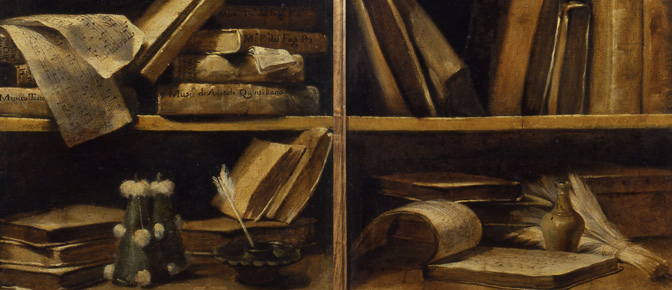
In the same room, we can admire the famous
Sportelli di libreria musicale
by Giuseppe Maria Crespi and an Orazio Albana harpsichord.
Next we come to
Room 4,
The idea of music, dedicated to music
theorists from ‘400 to ‘600, with important examples of musical treaties,
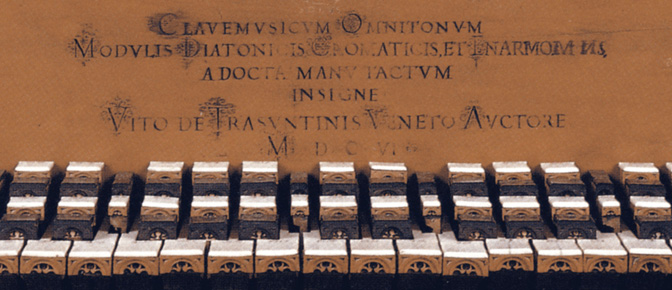
composer’s portraits and some important musical instruments such as
clavemusicum,
a rare example dated 1606 by Vito Trasuntino.
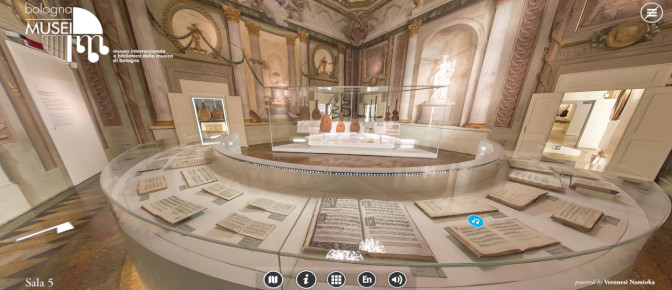
Some of the most important pieces are displayed in the following
Room 5
(
Sala delle Feste, work of Serafino Barozzi), where it is possible
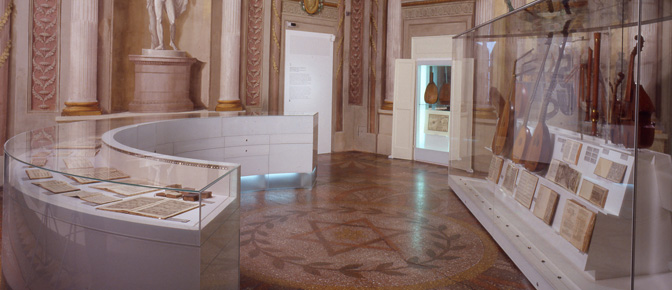
to admire the “alla veneziana” flooring. The modern glass cases placed in
the center of the room are dedicated to musical books, rare late ‘400 manuscripts
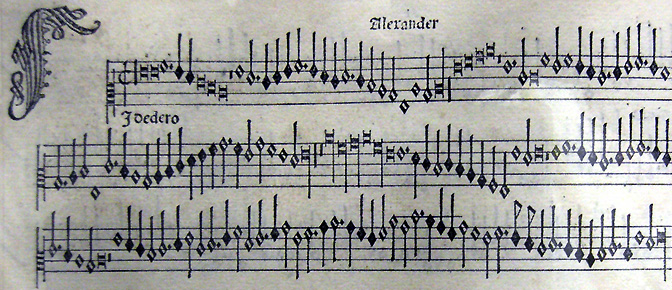
and instruments from 16th and 17th centuries. The famous
Harmonice musices
Odhecaton A. is of particular interest (it represents the first worldwide
musical movable-type edition, printed in Venice by Ottaviano Petrucci in 1501)
as are the instruments present: lutes;
Armonia di flauti by Manfredo
Settala (1650), another unicum of the collection; pochette; ghironde; an extraordinary
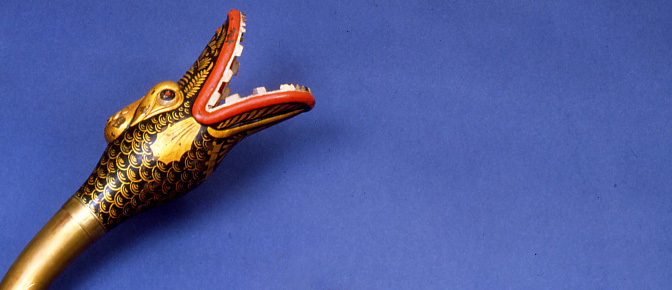
collection of horns and serpentoni; finally, the characteristic
Theorbo
in the form of a kithára, used as a stage instrument.
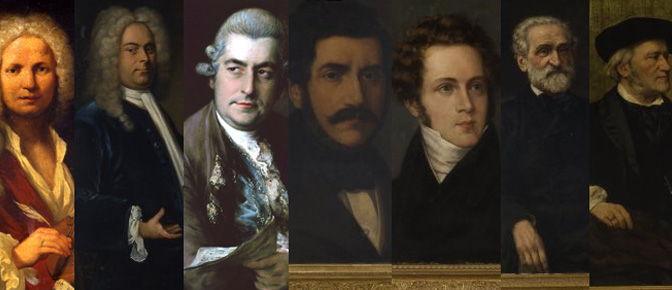
The Italian Opera became the protagonist of the following rooms:
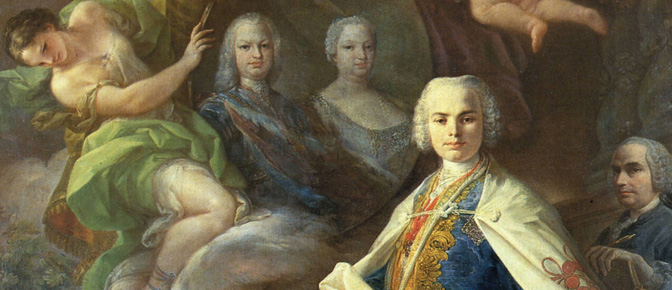
Room 6 (
Sala
all’orientale by Barozzi) tells of the 18th century and is dedicated to the
famous castrato
Carlo Broschi, known as Farinelli: his portrait, painted by
Corrado Giaquinto, stands out in the room, together with portraits of other
castratoes and composers, such as Domenico Cimarosa and Antonio Vivaldi.
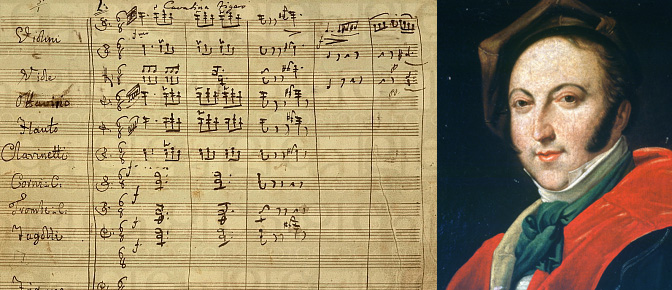
Room 7 focuses on the 19th century and on
Gioachino Rossini, whose name is
tightly connected with Bologna: portraits, busts, libretti d’opera of
Isabella
Colbran’s first performances (singer and Rossini’s first wife); the
autographed
score of Il Barbiere di Siviglia, and personal belongings too, such as his
gown and wig, as well as his personal grand piano made in 1844 by Camille
Pleyel.
The itinerary continues through the centuries:
Room 8 (
Sala delle Virtù by Antonio Basoli) is dedicated to music books and instruments from the 18th and 19th centuries: viola d’amore, flutes, scores composed by
Torelli,
Vivaldi,
Bertoni and the fine
Buccin made in Lyon by Jean Baptiste Tabard.
Finally we come to
Room 9, dedicated to the 20th century and to the works of
Ottorino Respighi; a portrait of the violinist Arrigo Serato, painted by Felice Casorati, can also be found here.
 
Music library and Events Hall
On the first floor, opposite the Museum entrance, we can also find a large
area of the
music library renowned for its importance and the rareness
of the material kept, already known and envied in Father Martini’s period.
It houses more than 100.000 volumes, such as musical editions from 16th to
17th century, manuscripts, a collection of 12.000 “libretti d’opera” and a
huge collection of autographs, like the
antiphon written by Mozart
in order to be admitted into the Accademia Filarmonica, which is today displayed
in Room 3 of the museum.
The Library has consultation rooms for both old and modern books, microfilms and multimedia equipment, a caveau for a better preservation of bibliographical material.
The
Events area, that connects the museum to the library, is characterized
by an impressive and refined Events hall (Sala biabsidata) with eighty seats,
a foyer with multimedia facilities, a little rich room -
Sala egizia
- painted by Gaetano Lodi in the second half of 19th century.