
Museo internazionale e
biblioteca della musica di Bologna
Museo internazionale e biblioteca della musica
Strada Maggiore, 34
40125 Bologna
tel. 051 2757711
museomusica@comune.bologna.it
bibliotecamusica@comune.bologna.it
labmuseomusica@comune.bologna.it
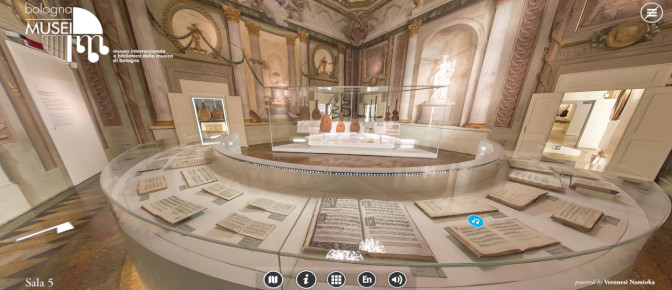
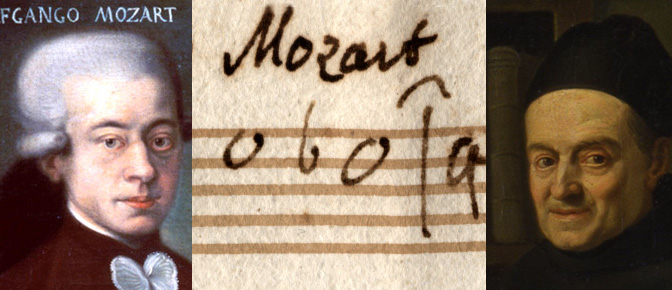 2) Un Martini per Mozart
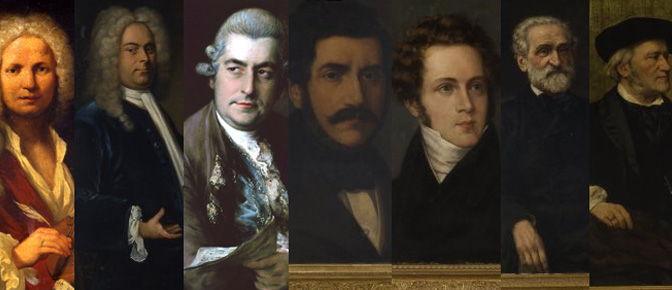 3) Faccia a faccia con la Musica
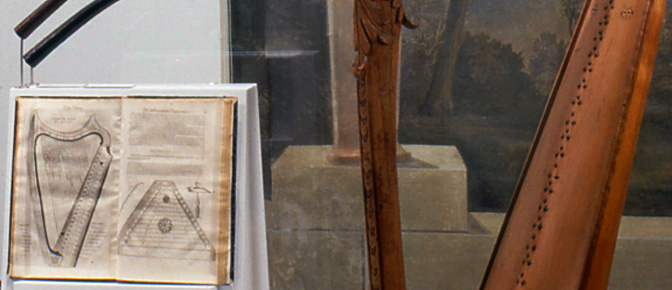
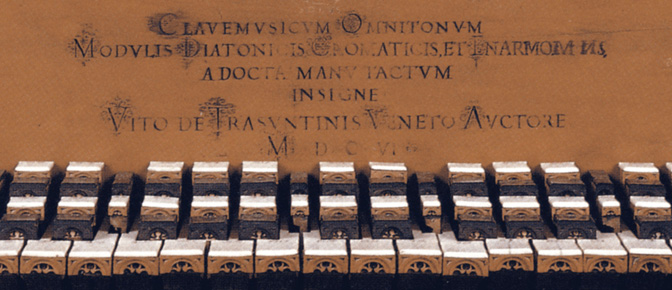 4) La tastiera perfetta? E' insuonabile
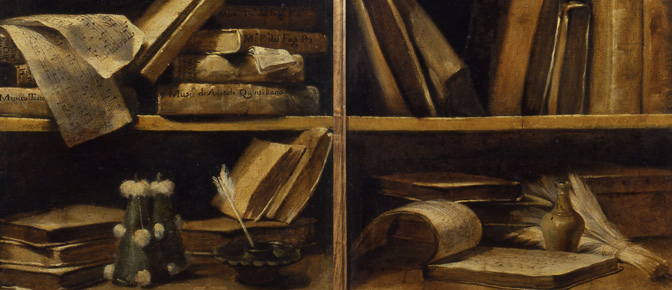
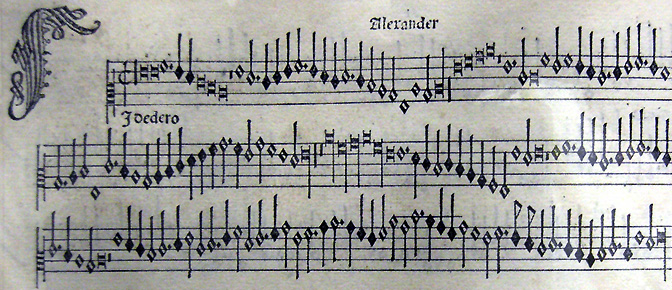 5) Petrucci, il Gutenberg della musica
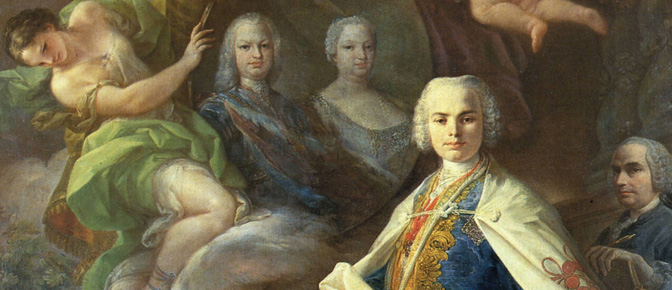 6) One God, one Farinelli
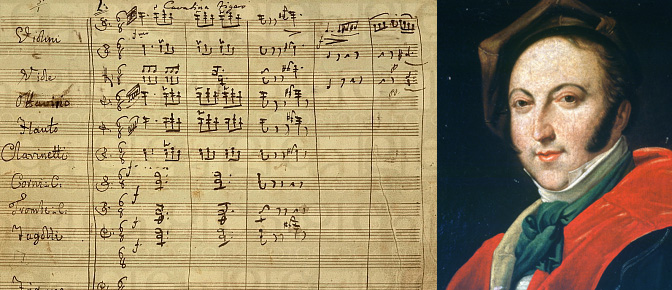 7) Figaro qua (e solo qua...)
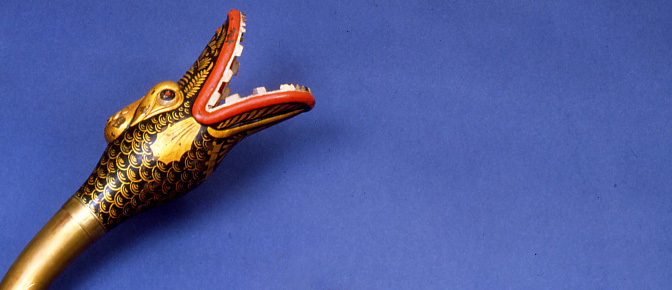 8) Da che parte si suona?
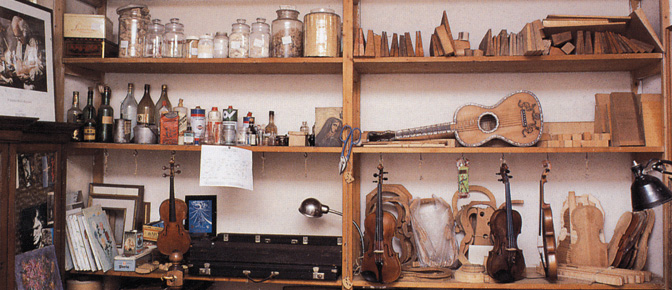 9) NonSoloStradivari
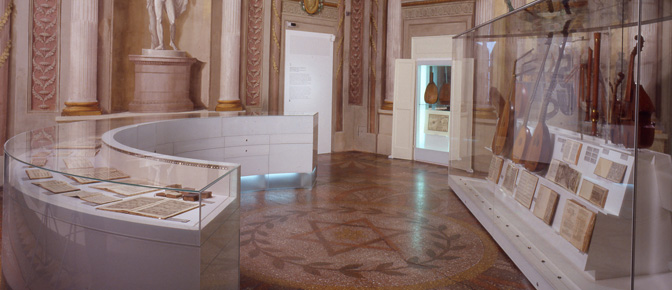 10) Le delizie di Palazzo Sanguinetti


“Io la Musica son, ch' à i dolci accenti”
sò far tranquillo ogni turbato core,
et hor di nobil ira, et hor d' amore
posso infiammar le più gelate menti
Alessandro Striggio, L'Orfeo (1607) | Sala 1
ven 19 aprile ore 17.30 | Pio Rossi
sab 20 aprile ore 17.30 (ore 17.15 ¼ d'ora) | Stella Maris
dom 21 aprile ore 10.30 | visita guidata
sab 20 aprile ore 1030 | Narrare i popoli
in mostra fino al 21 aprile
COMING SOON!