
Museo internazionale e
biblioteca della musica di Bologna
Museo internazionale e biblioteca della musica
Strada Maggiore, 34
40125 Bologna
tel. 051 2757711
museomusica@comune.bologna.it
bibliotecamusica@comune.bologna.it
labmuseomusica@comune.bologna.it
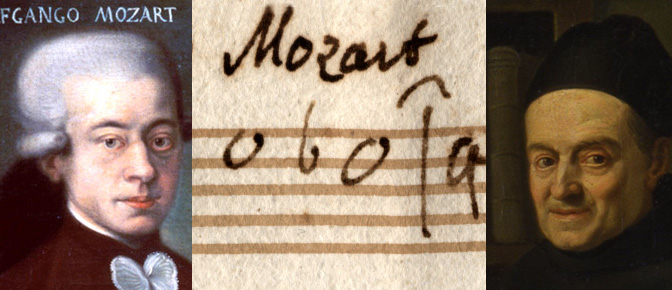 2) Un Martini per Mozart
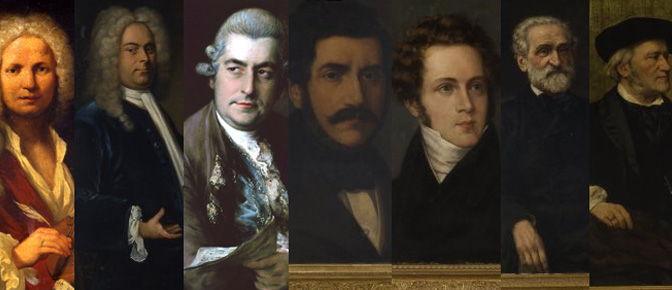 3) Faccia a faccia con la Musica
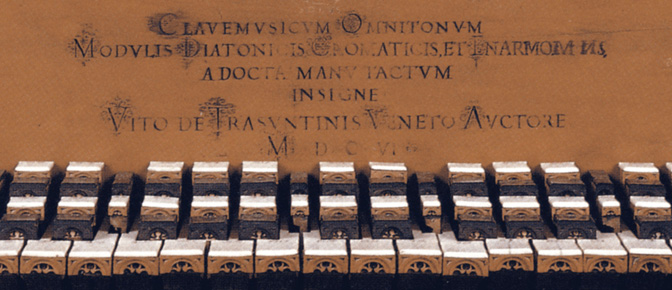 4) La tastiera perfetta? E' insuonabile
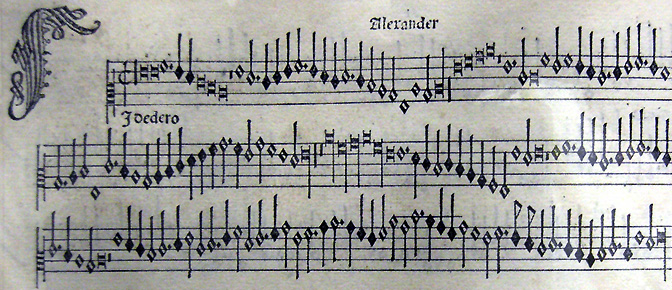 5) Petrucci, il Gutenberg della musica
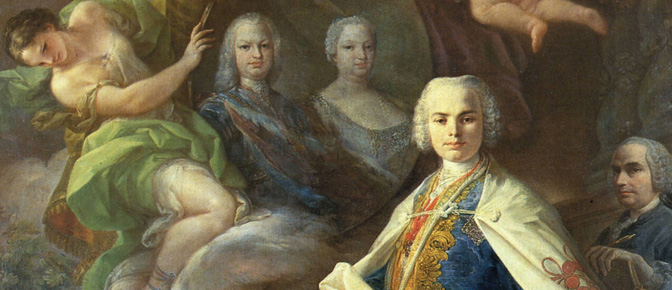 6) One God, one Farinelli
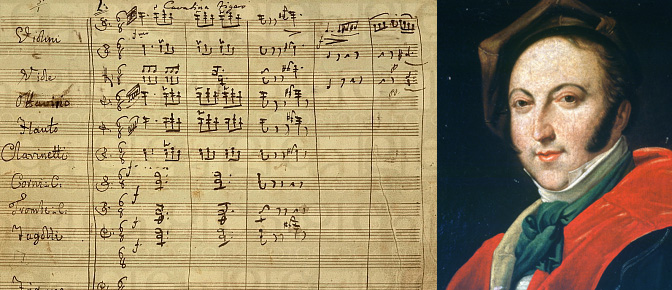 7) Figaro qua (e solo qua...)
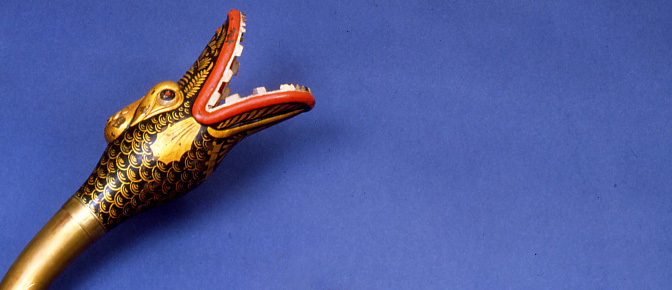 8) Da che parte si suona?
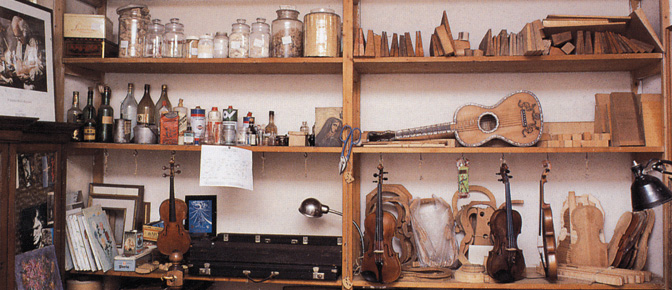 9) NonSoloStradivari
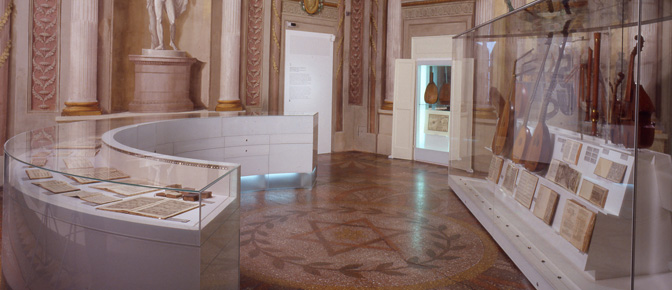 10) Le delizie di Palazzo Sanguinetti


“Io la Musica son, ch' à i dolci accenti”
sò far tranquillo ogni turbato core,
et hor di nobil ira, et hor d' amore
posso infiammar le più gelate menti
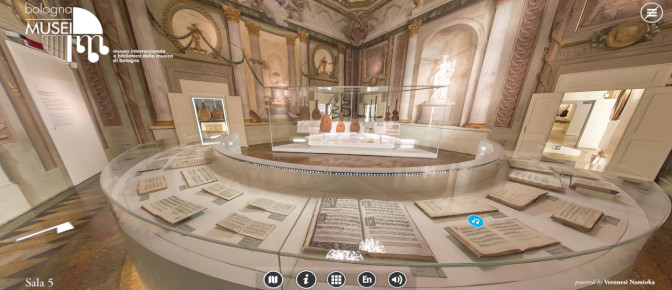
Alessandro Striggio, L'Orfeo (1607) | Sala 1
sab 27 aprile ore 17.30 | presentazione del volume
ven 3 maggio ore 17.30 | Enrico Farnedi
sab 4 maggio ore 17.30 | presentazione del volume
dal 4 al 25 maggio | Mamamusica II
sab 4 maggio ore 15.30 | guided tour
COMING SOON!